
Here you will find spare parts for dehumidifiers and accessories for dehumidification units and construction dryers such as air filters, wheels, buckets and floats. Oasis humidistats and drip trays.
Dehumidifier Accessories
-

Wall mount for small dehumidifiers
Wall console, suitable for a variety of smaller dehumidifiers from our range, for example to:Dryfix Royal, Foxy F12 + X3, Airsec3000, Lübra LDH626L + WDH101pro, Akto930, WDH-416S/725DG, Optimo20 etc.On the back panel, there are two screw holes of 10mm for wall mounting, as well as a centered hole of 30mm for the passage of a drainage hose through the base plate. execution40.5 cm inner width / 41.5 cm outer widthSteel sheet white powder-coated or light gray powder-coated Scope of delivery:- Wall mount made of sheet steel- 2 screws/anchors for wall mounting Technical data Dimensions (Height x Width x Depth): 25 x 41.5 x 30 cmWeight: 1.5kgLochmasse: Wall side top right/left 2 x 10mm, floor back centered 30mmload capacity up to 16 kgLarger versionfor larger or heavier dehumidifiers, please also refer to our bracket for large devices.
Fr. 49.00
-
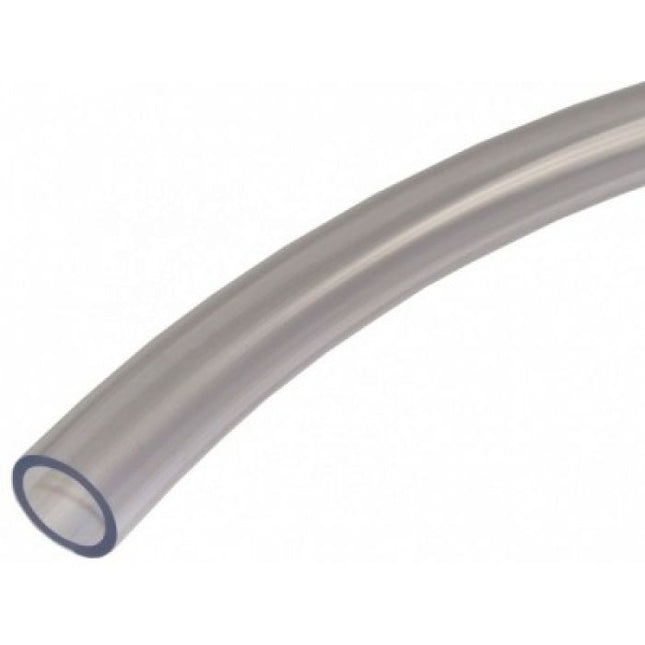
Transparent condensate hose 12/17mm
Condensate hose, transparent 12 mm inner diameter, 2.5 mm wall thickness = 17 mm outer diameterArea of applicationPVC pressure hose for conveying liquids, ideal for draining condensate from dehumidifiers and air conditioning units."Not permitted for milk, hot and alcoholic beverages with an alcohol content of more than 13 vol.% as well as beer in draft systems." CharacteristicsTransparent, smooth inside and outside, flexible, cadmium-free, good chemical resistance. Price is per meter, ordering any lengths is easily possible by email or phone, special price for a full roll (50m). Technical data Wall: Soft PVCTemperature range: approx. -20 °C to approx. +65 °C When ordering, please select the desired number of meters.
Fr. 4.36
-

Condensate Pump Pump-it-up (WDH-KP40)
The water pump is suitable for mobile dehumidifiers. It is placed directly in the bucket of the dehumidifying devices and fixed to the bottom of the bucket using suction cups. When the water level in the bucket rises, a float is activated and the water is pumped out. The maximum lift height is 3 m, making it easy to reach, for example, a sink, as well as a higher basement window. Suitable application The pump is 5.2 cm wide. Therefore, the bucket of the dryer must have at least this width to accommodate the pump. It is connected via an adapter to a standard household outlet. With closed dehumidifiers, cables and hoses are usually routed out of the housing through the hose connection, while with devices with an open bucket, it is very easy to route them directly over the edge of the bucket. The pump is suitable for condensate water, but not for dirty water. The hose for draining the condensate water has an inner diameter of 8 mm (outer diameter 11 mm). The delivery includes approximately 2.90 m of hose.conveying capacityThe pumping capacity is a maximum of 450 liters per hour, depending on the pumping height, which is several times what the dehumidifier is capable of extracting from the air: At 0 m height 450 liters per hourAt 2 m height 220 liters per hour Power consumption The consumption is very low: most of the time the pump is on standby until a certain water level has accumulated in the bucket. Once the level is reached, the pumping process is initiated. This only consumes 8 watts and is practically silent. A good and affordable solution, for example, when the dehumidifier should operate continuously during the holiday season, but also when you don't want to constantly think about emptying the bucket. scope of delivery • Pump with power supply (adapter with 2-pole plug)• approx. 2.90 m hose (8 mm inner diameter)• multilingual operating instructions Technical data Consumption: max. 8 W (only during periodic pumping process)Standby consumption: 0Weight: 0.280 kgDimensions (H/W/D): 7.5 x 5.2 x 7.3 cmWarranty: 2 years "From our range, for example, these dryers are suitable for this device:" • E33 / Sonora33• all Lübra LDH626L and WDH101 models• all Oasis dryers• all Woods DS and TDR models• all Krüger Airsec models 75 / 125 / 165 / 265 + Airsec3000 • Acto521• Krüger Airsec 3 • Dryfix Royal 12, Royal 20 • WDH-416S, WDH-35B • TTK 125 S, 170 S, 350 S • Aerial AD 520, 540, 560, 580, 660, 680 • AD432F, AD432R For the other models, it may be necessary to create a cutout in the upper area of the bucket, through which the hose and cable are routed, or the water must be directed into a bucket through the existing hose connection, in which the pump is placed.If you are not sure whether your dehumidifier is suitable for use with this condensate pump, feel free to ask us. We are familiar with most dehumidifiers on the market and their buckets.
Fr. 49.00
-

Wall mount for large dehumidifiers
Suitable for a variety of larger dehumidifiers. The 48cm version fits, for example, our dehumidifiers Quadro Q40, Flipperdry F300, Optimo80, E33, Oasis, and Woods. The side supports and 5mm raised edges at the bottom prevent the dehumidifier from rolling away.On the back panel, there are two screw holes of 10mm for wall mounting, as well as a centered hole of 30mm for the passage of a drainage hose through the base plate.scope of delivery- Wall bracket made of powder-coated white steel sheet- 2 screws/anchors for wall mounting Data Internal dimensions (Height x Width x Depth): 26 x 48 x 39 cmWeight: 2kgLoad capacity: max. 23 kg Lochmasse: Wall side top right/left 2 x 10mm, floor back centered 30mm
Fr. 77.00
-
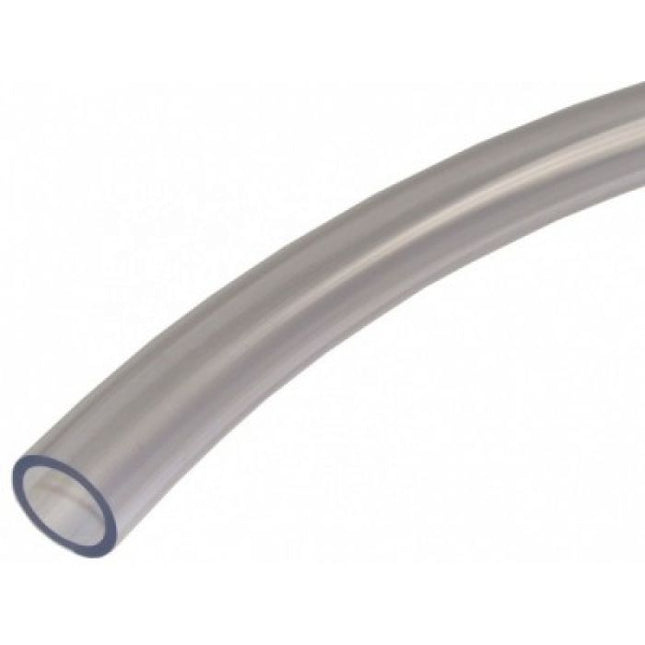
Transparent condensate hose 16/21mm
Condensate hose, transparent 16 mm inner diameter, 2.5 mm wall thickness = 21 mm outer diameterArea of application PVC pressure hose for conveying liquids, ideal for draining condensate from dehumidifiers and air conditioning units."Not permitted for milk, hot and alcoholic beverages with an alcohol content of more than 13 vol.% as well as beer in dispensing systems." CharacteristicsTransparent, smooth inside and outside, flexible, cadmium-free, good chemical resistance. Price applies per meter, ordering additional lengths is easily possible by email or phone, special price for a full roll (50m). Technical data Wall: Soft PVCTemperature range: approx. -20°C to approx. +65°C When ordering, please select the desired number of meters.
Fr. 6.30
-

HEPA-/Aktivkohlefilter zu Airsec 3 und TTK 70 Hepa (Plus)
EPA-Ersatzfilter mit 95 % Abscheideleistung Passender Ersatzfilter für den TTK 70 HEPA (Plus) und Krüger Airsec 3 – EPA-Filter zur effektiven Filterung der Raumluft mit einer Abscheideleistung von 95 %. Dieser Ersatzfilter ist für den Trotec TTK 70 HEPA (Plus) sowie den Krüger Airsec 3 geeignet und unterstützt eine zuverlässige Filterung der angesaugten Raumluft. Mit einer Abscheideleistung von 95 % trägt der EPA-Filter dazu bei, feine Partikel aus der durch das Gerät geführten Luft abzuscheiden. Der Filter lässt sich einfach einsetzen und eignet sich für den regelmässigen Filterwechsel. Ein sauberer Filter unterstützt eine gute Luftzirkulation und trägt zu einem zuverlässigen Betrieb des Luftentfeuchters bei. Eigenschaften EPA-Filter 95 % Abscheideleistung Für TTK 70 HEPA (Plus) Für Krüger Airsec 3 Effektive Partikelfiltration EPA-Filter mit 95 % Abscheideleistung Der EPA-Filter verfügt über eine Abscheideleistung von 95 % und unterstützt damit die Filterung feiner Partikel aus der Raumluft. Die gefilterte Luft wird anschliessend wieder in den Raum abgegeben. Der Filter ist für den Einsatz im Trotec TTK 70 HEPA (Plus) und im Krüger Airsec 3 geeignet und lässt sich bei Bedarf einfach austauschen. Ein regelmässiger Filterwechsel unterstützt eine dauerhaft gute Luftzirkulation und einen zuverlässigen Betrieb des Gerätes. Alternative: Kombinationsfilter mit HEPA 13 und Aktivkohle Als Alternative zum EPA-Filter kann im Trotec TTK 70 HEPA (Plus) und im Krüger Airsec 3 auch der Kombinationsfilter aus HEPA 13 und Aktivkohle verwendet werden. Dieser kombiniert eine HEPA-13-Partikelfiltration mit einer zusätzlichen Aktivkohleschicht. Wichtig: Es kann jeweils nur einer der beiden Filter im Gerät eingesetzt werden. Entweder wird der EPA-Filter mit 95 % Abscheideleistung oder der Kombinationsfilter aus HEPA 13 und Aktivkohle verwendet. Beide Filter finden zusammen finden im Gerät keinen Platz. Ihre Vorteile EPA-Ersatzfilter für TTK 70 HEPA (Plus) und Krüger Airsec 3 95 % Abscheideleistung Unterstützt die Filterung feiner Partikel Einfacher und schneller Filterwechsel Unterstützt eine zuverlässige Luftzirkulation Alternative Verwendung des HEPA-13-Aktivkohle-Kombinationsfilters möglich Jeweils nur ein Filter gleichzeitig im Gerät erforderlich Filterwechsel Für eine dauerhaft gute Luftzirkulation sollte der EPA-Filter regelmässig kontrolliert und bei entsprechender Verschmutzung ausgetauscht werden. Die notwendige Wechselhäufigkeit hängt unter anderem von der Staubbelastung, der Raumluft und der Betriebsdauer des Luftentfeuchters ab. Wichtiger Hinweis: Beim TTK 70 HEPA (Plus) und beim Krüger Airsec 3 kann entweder der EPA-Filter mit 95 % Abscheideleistung oder der Kombinationsfilter aus HEPA 13 und Aktivkohle verwendet werden. Eine gleichzeitige Verwendung beider Filter ist nicht möglich.
Fr. 26.00
-
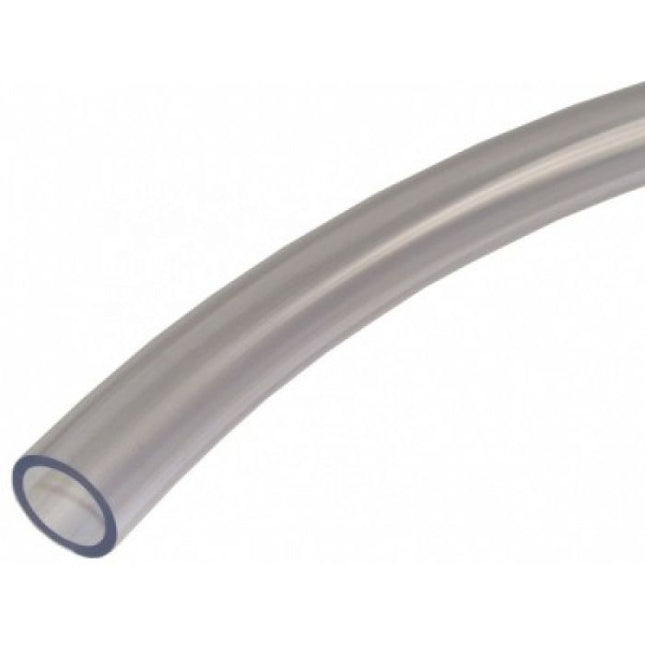
Transparent condensate hose 6/9mm
Condensate hose, transparent 6 mm inner diameter, 1.5 mm wall thickness = 9 mm outer diameterArea of applicationPVC pressure hose for conveying liquids, ideal for draining condensate from dehumidifiers and air conditioning units."Not permitted for milk, hot and alcoholic beverages with an alcohol content of more than 13 vol.% as well as beer in draft systems." CharacteristicsTransparent, smooth inside and outside, flexible, cadmium-free, good chemical resistance. Price is per meter, ordering any lengths is easily possible by email or phone, special price for a full roll (50m). Technical data Wall: Soft PVCTemperature range: approx. -20°C to approx. +65°C When ordering, please select the desired number of meters.
Fr. 1.20
-
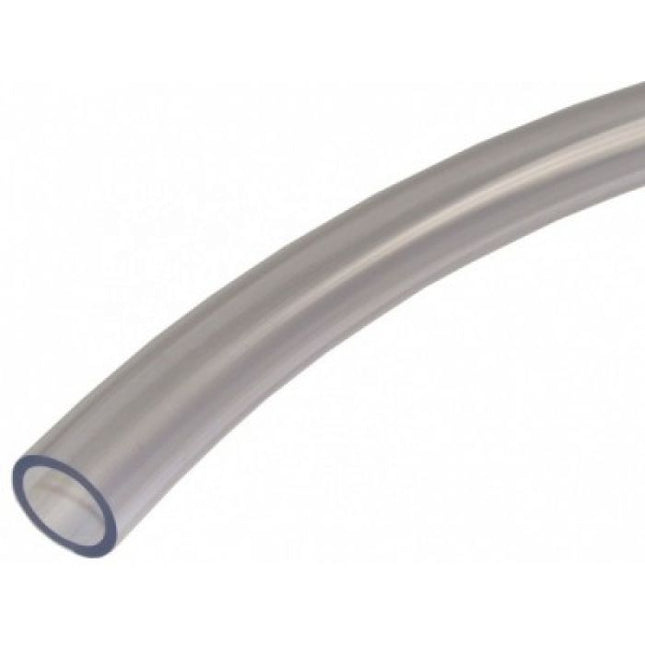
Transparent condensate hose 8/12mm
Condensate hose, transparent 8 mm inner diameter, 1.5 mm wall thickness = 11 mm outer diameterArea of applicationPVC pressure hose for conveying liquids, ideal for draining condensate from dehumidifiers and air conditioning units."Not permitted for milk, hot and alcoholic beverages with an alcohol content of more than 13 vol.% as well as beer in draft systems." CharacteristicsTransparent, smooth inside and outside, flexible, cadmium-free, good chemical resistance. Price is per meter, ordering any lengths is easily possible by email or phone, special price for a full roll (50m). Technical data Wall: Soft PVCTemperature range: approx. -20°C to approx. +65°C When ordering, please select the desired number of meters.
Fr. 3.40
-
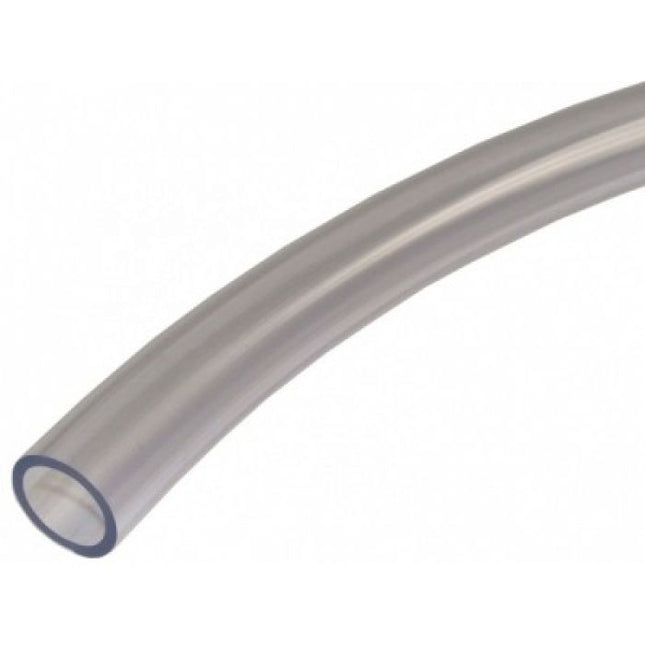
Transparent condensate hose 10/14mm
Condensate hose, transparent 10 mm inner diameter, 2 mm wall thickness = 14 mm outer diameterArea of applicationPVC pressure hose for conveying liquids, ideal for draining condensate from dehumidifiers and air conditioning units."Not permitted for milk, hot and alcoholic beverages with an alcohol content of more than 13 vol.% as well as beer in draft systems." CharacteristicsTransparent, smooth inside and outside, flexible, cadmium-free, good chemical resistance. Price is per meter, ordering any lengths is easily possible by email or phone, special price for a full roll (50m). Technical data Wall: Soft PVCTemperature range: approx. -20°C to approx. +65°C When ordering, please select the desired number of meters.
Fr. 3.25
-

Ersatz EPA-Filter zu Airsec 3 und TTK 70 Hepa (Plus)
Ersatzfilter mit Aktivkohle und HEPA 13 Passend für den Krüger Airsec 3 und den Trotec TTK 70 HEPA (Plus) – kombinierter Filter aus Aktivkohle und HEPA 13 für eine effektive Filterung der Raumluft. Der hochwertige Kombinations-Ersatzfilter verbindet einen Aktivkohlefilter mit einem HEPA-13-Filter und eignet sich für den Krüger Airsec 3 Luftentfeuchter sowie den Trotec TTK 70 HEPA (Plus). Der HEPA-13-Filter verfügt über eine Abscheideleistung von mindestens 99,95 % im relevanten Prüfbereich (MPPS). Dadurch werden feinste Partikel zuverlässig aus der durchströmenden Luft abgeschieden. Die zusätzliche Aktivkohleschicht unterstützt die Reduktion von Gerüchen und bestimmten gasförmigen Verunreinigungen. Eigenschaften HEPA 13 ≥ 99,95 % Abscheideleistung Aktivkohlefilter 2-in-1-Kombinationsfilter Einfacher Filterwechsel Effektive Kombination aus HEPA 13 und Aktivkohle Der HEPA-13-Filter ist für die Abscheidung kleinster Partikel ausgelegt und erreicht eine Abscheideleistung von mindestens 99,95 % bei MPPS. Damit eignet sich der Filter insbesondere für Anwendungen, bei denen eine hohe Partikelfiltration der Raumluft gewünscht ist. Die integrierte Aktivkohleschicht ergänzt die Partikelfiltration. Aktivkohle kann Gerüche und bestimmte gasförmige Stoffe aus der Luft adsorbieren und trägt damit zu einer angenehmeren Raumluft bei. Kompatibilität Der Kombinationsfilter kann für folgende Luftentfeuchter verwendet werden: Krüger Airsec 3 Trotec TTK 70 HEPA (Plus) Zu beachten: Es kann wahlweise dieser Kombinationsfilter oder der Trotec EPA-Filter eingesetzt werden. Es passt nur ein Filter ins Gerät. Ihre Vorteile Kombination aus Aktivkohlefilter und HEPA 13 Mindestens 99,95 % Abscheideleistung des HEPA-13-Filters bei MPPS Unterstützt die Filterung feinster Partikel Aktivkohle zur Unterstützung bei der Reduktion von Gerüchen Geeignet für den Krüger Airsec 3 Geeignet für den Trotec TTK 70 HEPA (Plus) Einfacher und schneller Filterwechsel Unterstützt eine zuverlässige Luftzirkulation Filterwechsel Für eine dauerhaft gute Luftzirkulation sollte der Filter regelmässig kontrolliert und bei entsprechender Verschmutzung ausgetauscht werden. Die notwendige Wechselhäufigkeit hängt unter anderem von der Staubbelastung, der Raumluft und der Betriebsdauer des Luftentfeuchters ab. Wichtiger Hinweis: Beim Trotec TTK 70 HEPA (Plus) kann entweder der Kombinationsfilter aus Aktivkohle und HEPA 13 oder der Trotec EPA-Filter verwendet werden. Eine gleichzeitige Verwendung beider Filter ist aus Platzgründen nicht möglich.
Fr. 26.00


Frequently Asked Questions about Mobile Dehumidifiers
Does a dehumidifier help against mold?
Yes, a dehumidifier can help prevent mold formation and reduce mold growth. However, it does not eliminate existing mold. It is crucial to find and permanently fix the cause of the moisture.
High humidity is one of the most common causes of indoor mold. A dehumidifier can lower the relative humidity, thereby worsening the conditions under which mold thrives. This can be particularly useful in bathrooms, basements, bedrooms, or poorly ventilated rooms.
How does a dehumidifier help against mold?
Mold primarily needs moisture to spread. If the indoor air is consistently very humid, condensation can form on cold surfaces such as exterior walls, window reveals, or room corners. This is often where mold develops.
A dehumidifier extracts water from the indoor air. This lowers the relative humidity and reduces the risk of moisture precipitating on surfaces.
This means:
- less moisture in the indoor air
- less condensation on cold surfaces
- poorer growth conditions for mold
- lower risk of new mold formation
- support in drying damp rooms
Important: A dehumidifier is primarily a measure for moisture control. It does not remove existing mold infestations.
What humidity is ideal to prevent mold?
For living spaces, a relative humidity of approximately 40 to 60 percent is often considered a reasonable range. Consistently significantly higher values can increase the risk of mold, especially if cold surfaces are also present.
A hygrometer helps to monitor humidity. If the relative humidity regularly rises above 60 percent, a dehumidifier can be a useful aid.
However, one should not try to keep a room extremely dry permanently. Too low humidity can also be uncomfortable and, for example, promote dry mucous membranes or irritated skin.
Can a dehumidifier remove existing mold?
No. A dehumidifier cannot kill existing mold or remove it from a wall.
If mold is already visible, the affected areas must first be professionally treated, and above all, the cause of the moisture must be eliminated. Otherwise, the mold can reappear after cleaning.
A dehumidifier can then help to keep the humidity at an appropriate level permanently.
Example
Suppose mold forms on an exterior wall in winter. The indoor air is very humid, and the wall surface is significantly cooled by the cold exterior wall. This can cause moisture to precipitate there.
A dehumidifier can reduce humidity. This reduces the amount of moisture that can accumulate on the cold surface. However, this does not repair the cold wall or any possible structural cause.
When is a dehumidifier particularly useful?
A dehumidifier can be particularly helpful when high humidity is the actual cause of the problem.
Typical situations include:
1. Basements with high humidity
Basements are often cooler than other living spaces. This can lead to condensation, especially in summer. A dehumidifier can help reduce humidity.
2. Bathrooms
When showering and bathing, a lot of water vapor enters the indoor air. If this is not adequately removed, the humidity rises sharply. A combination of ventilation and, if necessary, dehumidification can reduce the risk of mold.
3. Bedrooms
People also release moisture into the indoor air through breathing and sweating. Especially with closed windows, humidity can rise significantly overnight.
4. Rooms with poor ventilation
In rooms without sufficient air exchange, moisture can accumulate. A dehumidifier can be used to support here.
5. After water damage
After water damage, a powerful dehumidifier can help to dry rooms and materials more quickly. However, for larger water damages, a specialist company should be consulted, as moisture can also be present in walls, floors, or insulation.
What is better against mold: ventilation or dehumidifier?
Both can be useful – depending on the cause of the moisture.
Regular and correct ventilation is one of the most important measures to remove excess moisture from living spaces. A dehumidifier can also be useful if humidity remains too high despite sufficient ventilation.
The so-called shock ventilation is particularly important. This involves opening the windows wide for a short time to allow for rapid air exchange.
Permanently tilted windows are not always the best solution. In winter, they can cool down adjacent building components, while air exchange can be relatively inefficient.
Dehumidifier against mold: What should be considered?
A dehumidifier should not simply run continuously at maximum power. It is more sensible to measure the actual humidity with a hygrometer and set the device accordingly.
Pay particular attention to:
Measuring humidity: A hygrometer shows whether there is even a problem with excessively high humidity.
Finding the cause: High humidity can arise from showering, cooking, drying laundry, or insufficient ventilation. However, it can also indicate water damage, a leaky pipe, or a structural problem.
Considering room temperature: Cold rooms and cold wall surfaces can increase the risk of mold, even if the average humidity of the indoor air does not initially appear extremely high.
Sizing the device correctly: For a small room, a different device may be sufficient than for a large basement or a very damp room.
Emptying the water tank regularly: For devices without a permanent drain, the collection tank must be checked regularly.
Which dehumidifier is suitable against mold?
Which technology is suitable depends, among other things, on room size and temperature.
Condensation dehumidifiers
Condensation units are often a practical solution for normally tempered living spaces. They extract moisture from the air and collect the water in a tank or drain it via a hose.
They are suitable for:
- bedrooms
- bathrooms
- living rooms
- heated basements
- laundry rooms
Adsorption dehumidifiers
Adsorption units work differently and can be particularly interesting at lower temperatures. They are therefore also used, for example, for cool basements or other unheated rooms.
The choice of device should therefore not be based exclusively on maximum dehumidification performance. Room temperature, room size, and actual moisture load are also important.
Why does mold occur despite a dehumidifier?
If mold occurs despite a dehumidifier, the cause should be investigated more closely.
Possible reasons are:
Thermal bridges
At thermal bridges, surfaces are often significantly colder than in the rest of the room. Condensation can form there more easily.
Leaky spots
Moisture can enter a building, for example, through leaky roofs, windows, pipes, or other building components.
Water damage
Water damage can cause building components to remain damp long-term. A small room dehumidifier may then not be sufficient.
Incorrect ventilation and heating
Insufficient ventilation or widely fluctuating room temperatures can promote the formation of condensation.
Furniture too close to the exterior wall
If furniture is placed directly against cold exterior walls, air circulation behind it can be restricted. This can lead to unfavorable moisture conditions there.
Does a dehumidifier also help against black mold?
A dehumidifier can worsen moisture conditions for black mold, but it does not remove the mold.
Therefore, if mold is visible, a dehumidifier should not simply be set up. It is crucial to professionally assess the affected area and eliminate the moisture source.
For larger, recurring, or deeply ingrained mold infestations, professional help is advisable.
Can a dehumidifier prevent mold in the bedroom?
Yes, a dehumidifier can help prevent mold in the bedroom if there is consistently too high humidity.
Especially at night, humidity rises due to breathing. If the room is also poorly ventilated and cold exterior walls are present, condensation can form.
A sensible approach is therefore:
- Monitor humidity with a hygrometer.
- Ventilate regularly and effectively.
- Heat sufficiently.
- Do not place furniture directly against cold exterior walls.
- If humidity remains too high, use a suitable dehumidifier.
- Have existing moisture damage investigated.
Conclusion: Does a dehumidifier help against mold?
Yes, a dehumidifier can help against mold – but mainly preventively. It reduces humidity and can thereby worsen the conditions for mold growth.
However, existing mold is not eliminated by a dehumidifier. Those who want to permanently avoid mold should therefore not only dry the indoor air but also find and eliminate the cause of the moisture.
The most important combination is:
Control humidity + ventilate correctly + heat sufficiently + eliminate moisture causes.
If humidity remains consistently high despite these measures or if mold repeatedly appears in the same spot, it should be checked whether there is a structural problem, a thermal bridge, or water damage.
What's the ideal humidity?
For living spaces, the ideal relative humidity is usually between 40 and 60%. Within this range, most people feel comfortable, and the risk of moisture problems and mold remains comparatively low.
Reference Values by Room
Ideal humidity 40–60%, temporarily higher after showering
Basement often 50–65%, depending on temperature and use
Permanently above 60% should be avoided if possible, especially in poorly insulated or cold rooms. Above approximately 70%, the risk of mold and other moisture problems increases significantly.
What to do if humidity is too high?
If your hygrometer consistently shows above 60%, for example:
- ventilate regularly with bursts of fresh air
- heat sufficiently
- avoid drying laundry in living rooms if possible
- extract moisture directly when cooking and showering
- do not place furniture directly against cold outer walls
- use a dehumidifier for persistently high humidity
Important: Not only the room air, but also cold surfaces are crucial. Even at seemingly acceptable 55–60%, condensation can form on a very cold outer wall, leading to mold.
In short: For most living spaces, 40–60% relative humidity is a good target range. If mold or recurring condensation occurs, the cause of the moisture should also be investigated.
Why are basements often damp in summer?
Cellars are often damper in summer because warm outside air contains much more moisture than cold cellar air. If this warm, humid air is let in through open cellar windows, it cools down in the cellar. The relative humidity can rise sharply – condensation can even form on cold walls. This increases the risk of mould.
What happens when you ventilate in summer
Imagine a cellar at about 15 °C. Outside, for example, it's 28 °C with 65% relative humidity.
The warm outside air enters the cellar through the open window. There it cools down to 15 °C. Because cold air can absorb less water vapour, its relative humidity rises sharply as it cools down.
In an unfavourable case, it reaches almost 100% – water then condenses on particularly cold surfaces.
That's why "open windows" in summer can even make a cellar damper.
Why are cellar walls particularly at risk?
Cellars are partially or completely underground and are therefore usually much cooler than the outside air. Typical problem areas are:
- cold cellar walls
- floors
- corners
- window areas
- pipes
- poorly ventilated areas behind furniture
If warm, humid air meets such cold surfaces, the so-called dew point can be reached. Then moisture condenses as water.
When should you ventilate a cellar in summer?
In summer, ventilating early in the morning or late in the evening is often more favourable than during the hottest and most humid time of day.
It is even better not to pay attention solely to the outside temperature, but to the dew point or the moisture content of the outside air. If the outside air is very humid, a cold cellar should be ventilated as little as possible with this air.
What helps against damp cellars in summer?
If the humidity in the cellar is permanently too high, the following measures can help:
- Install a hygrometer and regularly check the humidity.
- Do not leave cellar windows open permanently when the outside air is warm and humid.
- Ventilate briefly and intensely at suitable times.
- Use a dehumidifier if the humidity is permanently too high.
- Check sources of moisture such as leaky pipes or penetrating moisture.
- If recurrent dampness occurs on walls or floors, have the structural cause checked.
Rule of thumb: A cold cellar should not be "ventilated through" with warm, humid outside air in summer. Especially in humid weather, this can increase the moisture in the cellar and promote mould.
Which dehumidifier is suitable for basements?
Powerful mobile dehumidifiers with a humidistat and continuous operation are suitable for cellars. The appropriate device size depends on the room area, temperature, and humidity load. Please observe our recommendations regarding the maximum room size, which we declare for each device.
Can a dehumidifier help with drying laundry?
Yes, a dehumidifier can significantly assist with laundry drying. When drying, wet laundry releases a lot of water into the room air. This increases humidity, and the laundry dries progressively slower. A dehumidifier removes water vapor from the air, thereby creating better conditions for further evaporation.
This has two advantages: The laundry dries faster, and the humidity in the room remains lower. This also reduces condensation and the risk of mold.
How does it work?
The process is simple:
Wet laundry → Moisture enters the room air → Dehumidifier absorbs the moisture → Laundry can continue to dry.
This method is particularly practical when laundry is dried indoors, in the basement, or in a closed drying room.
What humidity level is suitable for drying laundry?
A range of approximately 40 to 60% relative humidity is a good target range. If the humidity consistently rises significantly above 60% during laundry drying, a dehumidifier can be beneficial.
A device with a hygrostat is particularly practical: it measures humidity and automatically regulates operation.
Dehumidifier or ventilation?
Both can work. In winter, ventilation is often very effective because cold outdoor air contains little absolute humidity. In summer, however, warm, humid outdoor air can be very damp itself. In this case, a dehumidifier is often the better solution.
When operating the dehumidifier, windows and doors should remain closed as much as possible to prevent new humid air from constantly entering the room.
How to dry laundry faster
- Spin laundry as thoroughly as possible.
- Hang clothes with sufficient space between them.
- Do not cover the dehumidifier directly with laundry.
- Ensure good air circulation.
- Use a dehumidifier with a hygrostat.
- In a cold basement, ensure the device is suitable for low temperatures.
Conclusion
A dehumidifier is a practical aid for drying laundry. It removes moisture from the room air, thereby accelerating drying, and can simultaneously reduce the risk of condensation and mold due to high humidity.
It is particularly useful when laundry is regularly dried indoors or in a closed basement room.
How much electricity does a dehumidifier use?
How much electricity a dehumidifier consumes depends primarily on power, operating time, room temperature, and humidity. A typical device with a power consumption of about 200 to 500 watts, for example, consumes 0.2 to 0.5 kWh per hour of operation.
Example Calculation
A dehumidifier with 300 watts operating for 8 hours requires:
0.3 kW × 8 hours = 2.4 kWh
At an assumed electricity price of 30 rappen per kWh, that would be approximately 72 rappen per day if the device actually runs continuously for eight hours.
In practice, however, a modern dehumidifier with a hygrostat often does not run continuously. As soon as the desired humidity is reached, the device automatically switches off or reduces its operation. This can significantly lower the actual power consumption.
What influences power consumption?
Particularly important are:
- Power Consumption: A more powerful device consumes more electricity but completes the task faster.
- Operating Time: The longer the dehumidifier runs, the higher the consumption.
- Humidity: Very humid rooms require more dehumidification power.
- Temperature: At low temperatures, some devices may operate less efficiently.
- Room Size: Large or very humid rooms often require more power.
- Hygrostat: Automatic humidity control can prevent unnecessary continuous operation.
How much does a dehumidifier cost per month?
For a device with 300 watts and, for example, 6 hours of actual operating time per day, the result is:
0.3 kW × 6 hours × 30 days = 54 kWh per month
At an electricity price of 30 rappen per kWh, this would be around 16.20 Swiss francs per month.
However, this is only an example calculation. The actual power consumption can be significantly higher or lower depending on the device and usage.
Are dehumidifiers energy guzzlers?
Not necessarily. While a dehumidifier requires relatively high power, it does not need to run permanently. An efficient device with a hygrostat can automatically adjust operation to the actual humidity levels.
However, especially when drying laundry or in a damp basement, a dehumidifier can still run for several hours a day. Therefore, when purchasing, it is worthwhile to pay attention not only to the maximum dehumidification capacity but also to energy efficiency and power consumption.
Conclusion
A typical dehumidifier consumes approximately 0.2 to 0.5 kWh per hour of operation, depending on its power. The actual electricity costs, however, depend crucially on how long the device runs.
A dehumidifier with a hygrostat, appropriate power, and automatic shut-off can help keep power consumption as low as possible.